
Special Awareness Feature
Stay Two Steps Ahead of Cancer
The core of our message is simple: Don't be afraid. With the right information, a healthy lifestyle, regular screening tests, and awareness of early signs, cancer is a battle we can win together.
Our Methodology
From School Classrooms to Clinical Care.
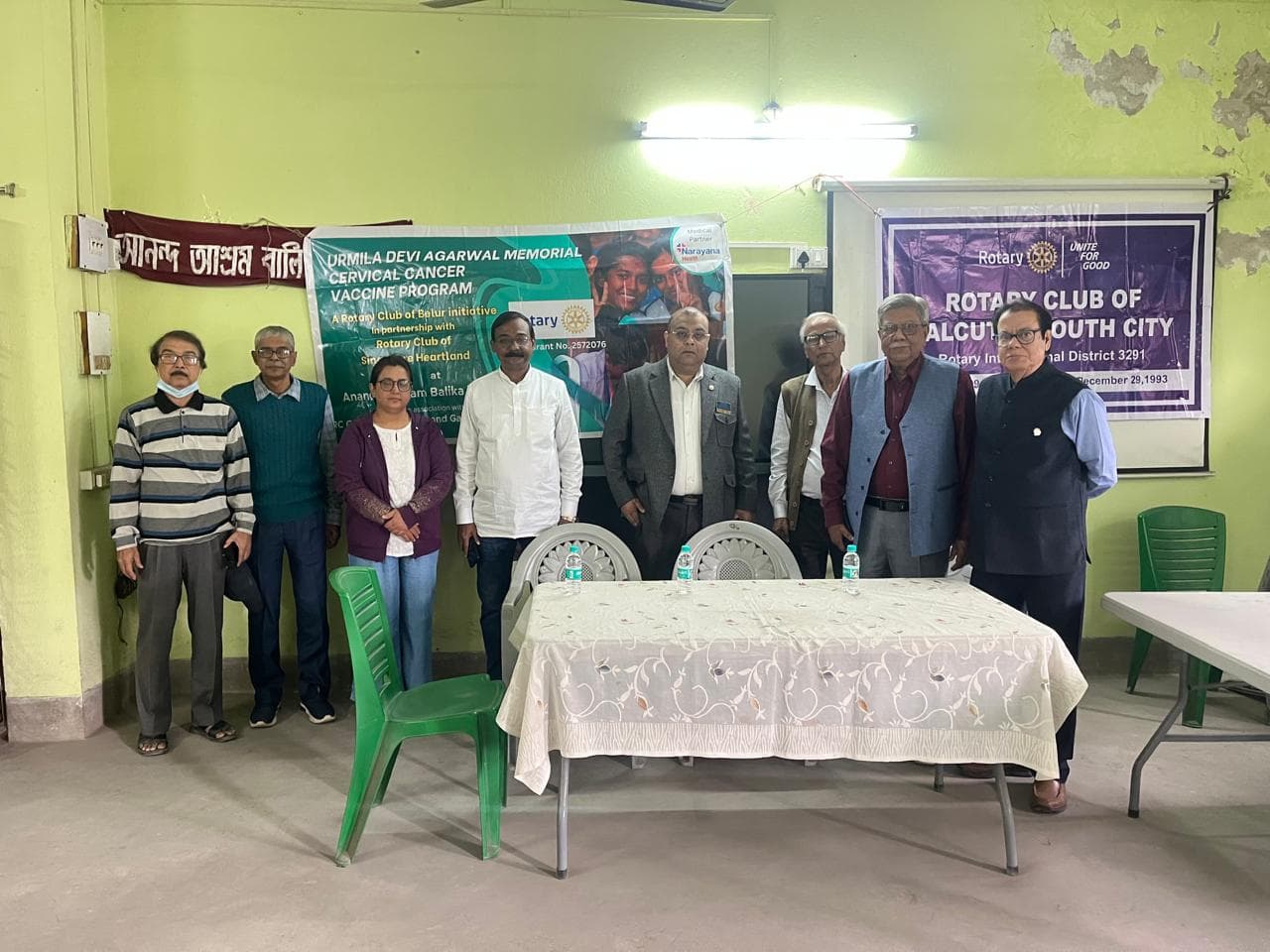
Awareness at GWS isn't just about distribution of leaflets. Our team actively visits rural schools, using them as hubs to reach children, teachers, and through them, the entire village community.
"Our primary intervention mission is to ensure that patients identified with Cervical Cancer receive full treatment support, bridging the gap between detection and survival."
- School Outreach: Leveraging educational institutions to spark conversations and break social stigmas in rural Bengal.
- Cervical Focus: Dedicated pathways to provide medical support and guidance for patients diagnosed with cervical cancer.
Official Statistics
Understanding the Indian Burden
As an NGO, we believe data is the strongest tool for advocacy. Here is why our mission is urgent.
- 1.87M+ — Estimated Cases (2026): Projected annual incidence in India.
- 0.70M+ — Indian Mortality: Projected annual deaths by end of 2026.
- 90%+ — Early Survival: Survival rate when diagnosed at an early stage.
Most Common Cancers
- Among Men: Oral cancer is the leading type, followed by Lung and Prostate. India has some of the highest oral cancer rates globally.
- Among Women: Breast cancer is the most prevalent, with Cervical cancer accounting for 25% of the worldwide burden.
The Survival Gap
In India, over 70% of cases are diagnosed at late stages. This drops the 5-year survival rate from 90% to as low as 25%.
*Data sources include GLOBOCAN, NIH, and WHO projections for 2024-2025.
Don't Fear Cancer, Stay Two Steps Ahead.
By fearing rumors like 'cancer means the end of life' or 'there is no cure,' we often ignore vital information that could save us.
Understanding cancer is the first step to fighting it. Through correct information, a healthy lifestyle, regular checkups, and early symptom detection, you can stay ahead. Early treatment makes many types of cancer fully curable.
Healthy Lifestyle
Progress Day by Day, Stay Two Steps Ahead of Cancer.
By focusing on our health today, we can choose a longer, healthier life and significantly reduce our cancer risk.
- Completely avoid tobacco: Be it betel nut, beedi, gutkha, or cigarette, tobacco consumption in any form is harmful.
- Say 'No' to alcohol: Alcohol consumption causes liver cancer and many other types of cancer.
- Pay attention to your diet: Choose healthy options like more vegetables, fruits, and whole grains in your diet.
- Monitor your weight: Obesity means an increased risk of cancer. Check your BMI and get informed.
- Stay physically active: Make it a rule to do some physical activity every day. Sitting continuously harms health.
- Sound sleep is essential: At least seven hours of sleep is a body's necessity. It boosts the ability to fight infections.
Defeat Cancer.
"In the next 10 years, 15 million people in India could face cancer. We can change this through timely screening."
High Priority Screenings
- Breast Cancer: 1 in 25 women are at risk. Mammography is mandatory for ages 45+.
- Oral Cancer: Tobacco and alcohol are leading causes. Do not ignore sores or color changes.
- Cervical Cancer: Can be 100% prevented through regular Pap smear screenings.
Symptoms — Be Alert!
These body signals could be early indicators of cancer. Vigilance saves lives.
- Mouth Sores: Red or white spots that do not heal over time.
- Abnormal Lumps: Sudden appearance of a painless lump in any body part.
- Unusual Bleeding: Unexplained bleeding from any natural body opening.
- Changes in Moles: Clear changes in color, size, or texture of a mole.
- Cough & Hoarseness: Persistent hoarseness or significant difficulty in swallowing.
Patient Education
Modern Treatment Pathways.
Understanding your treatment options is the first step toward recovery. Cancer care is highly personalized today, involving multidisciplinary teams.
- Surgery: The primary method to remove localized tumors. Often the first internal defense.
- Radiation Therapy: Using high-energy particles to kill cancer cells or shrink tumors before surgery.
- Chemotherapy: Systemic drugs that circulate through the body to reach and destroy cancer cells.
- Immunotherapy: A newer approach that helps your own immune system recognize and fight cancer.
Specialized Research
- Clinical Trials: Clinical trials are research studies that test new treatments in people. They are the benchmark for discovering safer, more effective ways to prevent, detect, and treat cancer. Participation helps advance science for everyone.
- Precision Medicine: By analyzing the genetic profile of a patient's tumor, doctors can tailor treatments specifically to the DNA changes that are driving the cancer's growth.
Support Network
Resources for Patients & Caregivers.
- Symptoms Registry: Official checklist of warning signs that required immediate oncology consultation. Read Resource →
- Coping with Cancer: Mental health and emotional support resources for newly diagnosed patients. Read Resource →
- Caregiver Support: Guide for family members managing medications, nutrition, and home care. Read Resource →
- Survivorship: Post-treatment protocols for monitoring and returning to active community life. Read Resource →
Myth vs Reality
Accurate Knowledge — Stay Ahead.
Incomplete information can be dangerous in cancer cases. Learn the truth here.
Myth: Not the end, just an obstacle
Fact: Cancer is not the end of life, just a serious disease. With timely and correct treatment, many common cancers can be fully cured.
Myth: Not a contagious disease
Fact: It does not spread by touching or being around someone. Treat patients with the same dignity and care as anyone else.
Myth: Not a result of karma
Fact: People often blame fate or past deeds, but cancer is a biological condition with no connection to spiritual karma.
Myth: Modern myths
Fact: There is no solid scientific evidence linking daily stress, hair dyes, or deodorants specifically to cancer development.
Myth: Not strictly hereditary (Non-Hereditary)
Fact: Only 5-10% of cases are inherited. The other 90% are linked to pollution, tobacco, and lifestyle factors.
Myth: No 'Safe' Tobacco (Tobacco Danger)
Fact: Tobacco use in any form or quantity (be it 'light' or 'mild') is harmful and remains a leading cause of cancer.
Knowledge is the Best Protection
We organize monthly awareness camps and screening sessions. Join us or support us in this fight against cancer.